
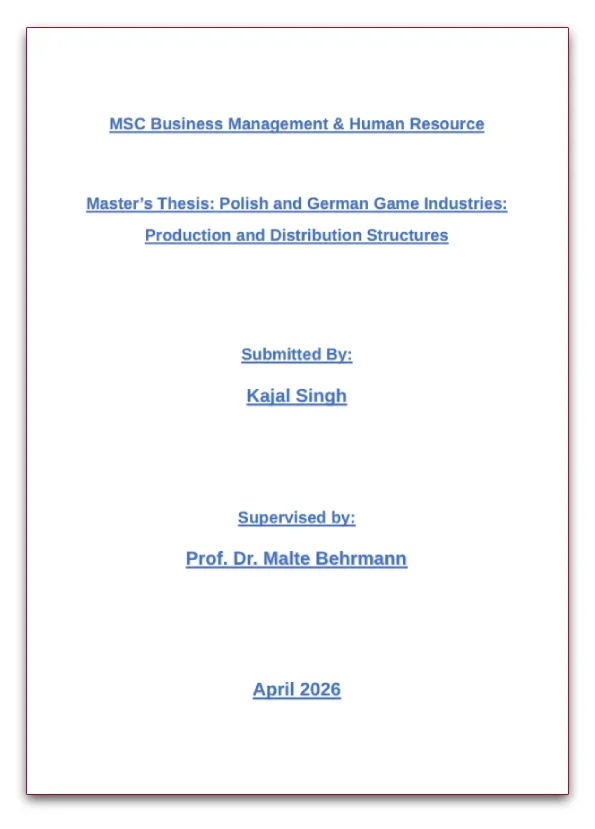
Polish and German Game Industries: Production and Distribution Structures
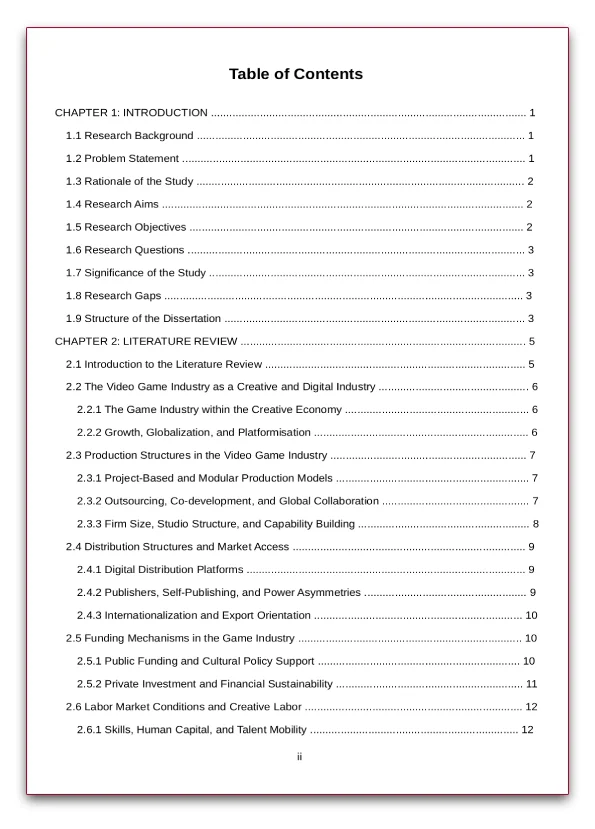
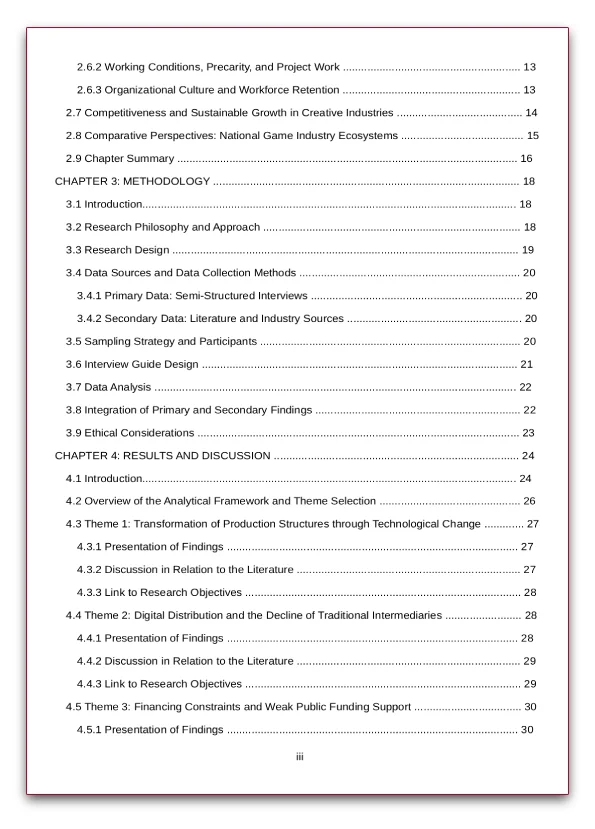
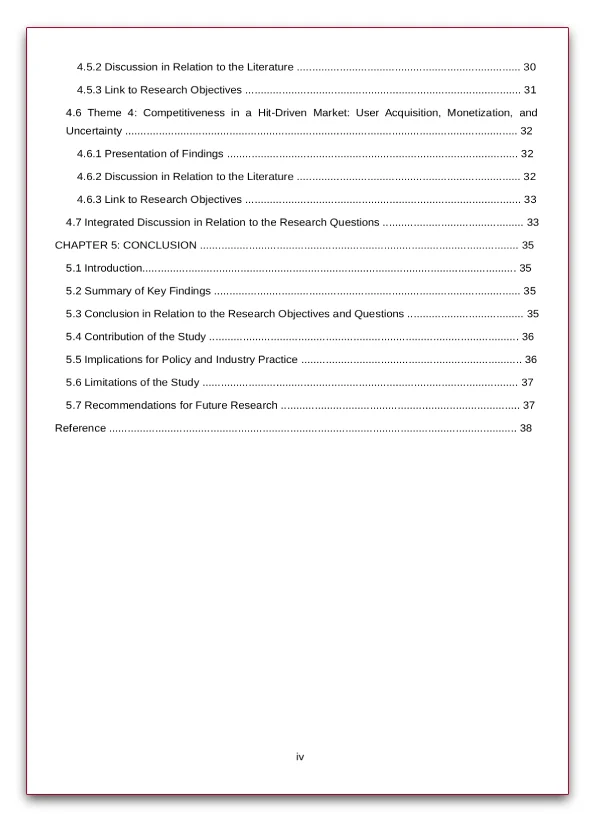
This thesis has explored how Polish and German video game industries were formed based on production structures, distribution structures, funding conditions, and competitiveness. The study adopted a semi-structured interview data, secondary literature, industry reports and policy documents using the qualitative comparative design. The data were found to indicate a significant technological change on production structures through reduced barriers to entry, greater flexibility in the development model and the possibility of smaller studios thriving. Distribution was discovered to have moved away between conventional retail and intermediary practices, towards digital and platform-based systems, which was more likely to access the market as well as establish new dependency on platforms visibility and control. Another limitation of the research was the detection of financing limitations and low public support as predisposing factors to the development of the firm, innovation, and stability. Moreover, competitiveness was indicated not just to be determined by the development of the game, but also user acquisition, monetization, retention and performance after the launch in a market that is driven by a hit. Altogether, the paper has found that the technological, structural, financial, and strategic factors of firm performance in the video game industry interact with each other to have significant effects on sustainable growth and support of policies in similar areas in both countries.
EditionNo. 33AuthorKajal SinghMAMaster ThesisYear2026Download PDFcreativeindustries.berlin